

Why Picking Up a Camera Can Save You (Even If You’re Not a Photographer)
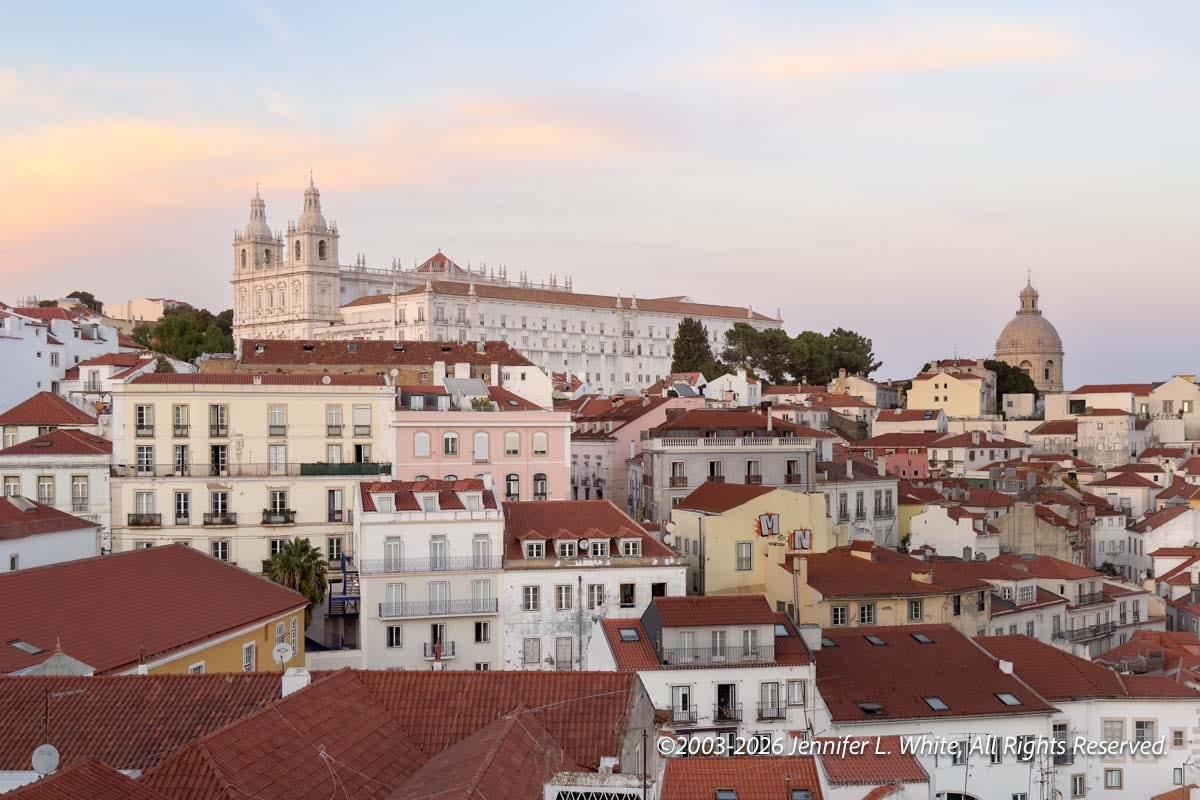
You don’t need to be “a photographer” to let a camera change your life. You just need to be willing to begin again even while still grieving. (Photos of Portugal included.)

There Are Moments That Split Life Into Before and After
There are moments in life that don’t ask for your permission. They arrive, and everything you thought was solid, isn’t anymore. There is a before version of you—
the woman who was building, planning, moving forward, holding it all together—and then there is the after, the one who wakes up in a world that looks the same on the outside, but feels completely unfamiliar on the inside.
I know this space.
I have lived the kind of loss that doesn’t just break your heart—it rearranges your entire existence. Losing my son in November 2022 in a fiery crash shattered something so fundamental, there were no words big enough to hold it. Eight months later, losing my husband to suicide didn’t just deepen the grief, it changed the terrain of my life completely.
There is deafening silence.
The kind where the noise of everyday life fades into the background…and you’re left standing still while everything and everyone else keeps moving. People go to work, the world keeps turning, conversations continue, and you’re somewhere in between—not who you were… but not yet sure who you are becoming.
This is the space no one prepares you for. The in-between space where even the smallest decisions feel heavy.
What do I do today?
Where do I put my attention?
How do I even exist in a life that feels so unfamiliar?
You don’t go looking for something big. But you do try to figure out what your purpose or passion is now that what you thought was your purpose and passion, your family, your world with them in it, wis gone. You look for something—anything—that helps you make it through the next moment. Sometimes… unexpectedly… that something is simple. So simple it almost feels insignificant.
For me, it was picking up my camera again.
Not as a professional.
Not as a business.
Not as something to share or prove.
But as something that felt connected.
Photography has always been a part of my life. I took a few course in college using my dad’s Pentax 45mm film camera and spent a few of those weekends traveling with my late husband working on photo projects for class. It was something my son and I shared—something we did side by side, noticing the world together.
Returning to photography, to put it lightly, has been complicated. Painful, even. Because every image holds a memory. Every moment behind the lens echoes with what is no longer there. Underneath that pain, there is also something else.
A quiet pull.
Something deeper than logic, that I can’t quite explain. It’s not about creating anything impressive, or about being “good.” It isn’t even about healing—at least not at first.
It is about survival.
About having something to hold onto when everything else feels like it has slipped away. It has given me a place to put my attention when my mind doesn’t know where to go. It has given me a reason—however small—to step outside, to look, to pause.
In a life that has been split into before and after…picking up the camera again has become essential.
It Isn’t About the Photo
It is not really about the photo.
Not the composition.
Not the settings.
Not whether anyone else would ever see it.
It’s is what happens to me when I slow down long enough to look.
Grief has a way of narrowing your world. After loss, everything becomes functional. You move through the day doing what needs to be done—handling responsibilities, managing what’s been left behind, taking care of the details no one warns you about. In my case, that meant not only navigating unimaginable grief, but also stepping into the weight of managing an estate, making decisions, handling paperwork, living inside a reality I never asked for.
Somewhere in that process, I stopped noticing life. The color of life drains a little. The edges blur. Moments pass, and you don’t even realize they were there.
When I picked up my camera again, I didn’t expect that to change. I wasn’t looking for beauty. I wasn’t trying to feel inspired. If I’m honest, I wasn’t sure I could feel much of anything at all. However, the camera asked something of me—quietly, without pressure.
It asked me to look.
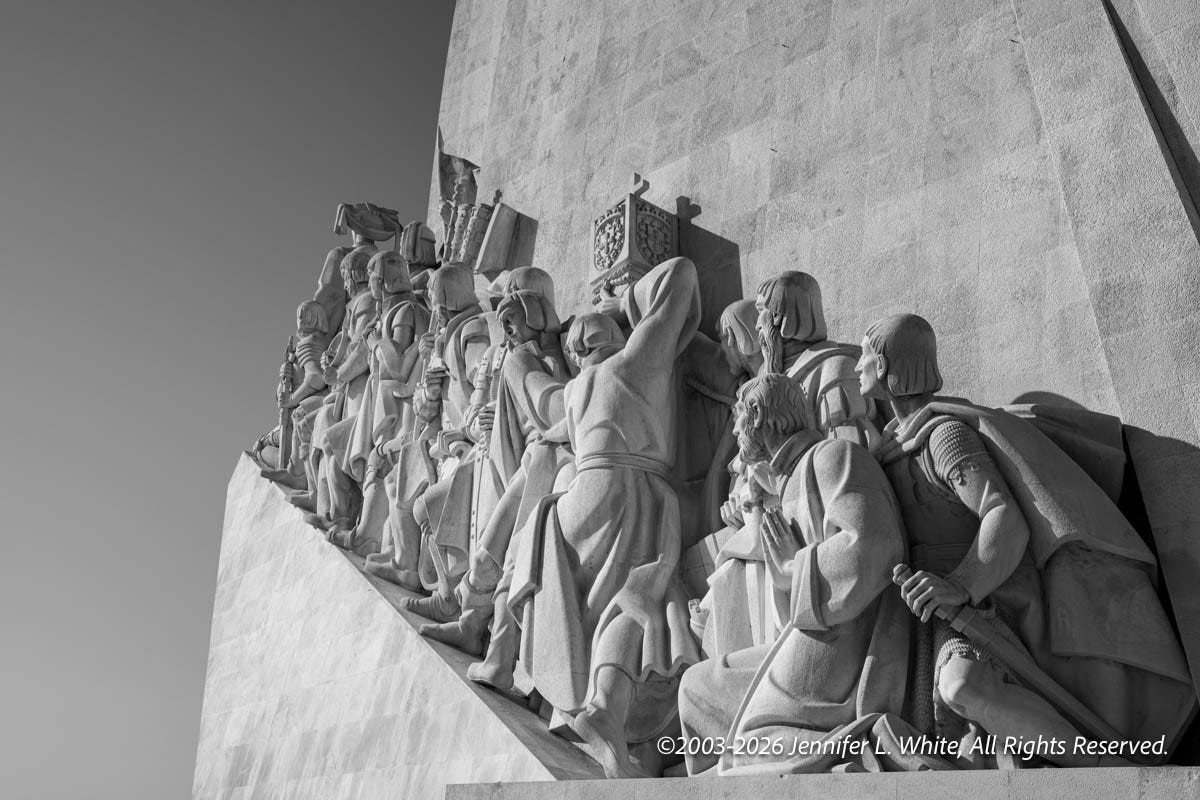
The way light hit the edge of a doorway.
The texture of worn stone.
Shadows stretching longer than I expected.
It required my attention.
And that’s when I started to understand something powerful. The camera wasn’t pulling me out of my grief. It was gently bringing me back into the world—by pausing, breathing, and noticing something instead of just moving past it. Those seconds began to matter.
When your world has been shattered, presence doesn’t come easily. Your mind wants to go backward—replaying moments, asking impossible questions. Or it jumps forward—trying to make sense of a future that no longer looks the way you planned. There are still days, nearly four years later, that I feel like I am living in a dream and that I just need to wake up and my son will be ruffling my hair like he use to.
But the camera?
It anchors you in the now. Not in a forced, “everything is okay” kind of way, but in a real, grounded way. You connect with the here, the moment, and the realization that you are in it. This is when I began to notice things I would have missed before.
I didn’t have to try to be mindful.
I didn’t have to sit still, close my eyes, or quiet my thoughts.
The act of looking—through the lens—did that for me.
It gave my mind somewhere to land that wasn’t pain. It gave my attention something to hold that wasn’t loss. Slowly, without forcing it, I started to re-enter my own life. It has helped me to realize there was a way to keep going. Not by fixing what had been broken. But by learning how to see again.
You Don’t Need Permission to Begin
After a few months with my camera, and gradually talking about photography again with people, intrusive thoughts started showing up. Those thoughts that your mind throws your way to “protect” you.
I don’t know what I’m doing.
I’m not creative.
I am wasting my time.
What’s the point, anyway?
But this is normal. Your mind is trying to keep you inside what feels known and safe—even if what is known is pain, exhaustion, or disconnection. Stepping into something new, especially after loss, can make you feel exposed. Vulnerable. Like you’re risking something, even if you can’t quite name what that is.
Photography was something I shared with my son, and I had to confront the loss of my son and how it was impacting my life. There were moments where it felt easier to leave the camera where it was—untouched, safe, and connected to the past. Thankfully I was reminded at the Deep Winter Hero’s Journey Intensive program, hosted by the Hero’s Journey Foundation, that waiting until something feels easy, or clear, or fully “ready” is a fast way to stay exactly where you are.
You don’t need to be ready.
You don’t need to be confident.
You don’t need to know what you’re doing.
You just need to be willing. It’s about allowing yourself to re-enter your life. The life you’re rebuilding is not waiting for you to have it all figured out. It’s waiting for you to take one step toward it. You’re ready, whether you realize it or not, to begin again.


Thank you Terri! I hope you will share your delightful digital journey. There are times I miss film, but love being able to immediately see the results of photo taken on the screen in the field.
I’ve just picked up a camera again for the first time in decades. Going from a film SLR to digital is proving challenging 😳 but I’m looking forward to seeing anew.
I’m sorry you suffered through such heavy losses, and am glad that the camera became your companion (and, perhaps a teacher) through grief.
Thank you for sharing both your story, and your beautiful photos.